
Helpful Info & Links
Necessities Checklist
Before bringing your new family member home make sure you have the following items available:
◦ Food
◦ Litter box
◦ Kitty litter
◦ Food bowl
◦ Water bowl
Pet Insurance
Proof of Insurance is required to take a kitten home. I offer a code for TruPanion that covers them from Day 1 or you can search for others, though they may have a waiting period. I suggest coverage for at least 6 months but ultimately it’s up to you, the owner, past the introduction period. Our contract will cover congenital illnesses up to one year however incidental acute illness or accident is not covered.
TruPanion Covers from day 1!
FIGO Pet Insurance 15% off for Costco Members
Food & Supplies
UPDATED 4.1.2024
Kittens are first introduced to water bowls, litter box and then to the same raw meat their mothers eat at ~4 weeks. The dinner plate is moved into their area and they gradually share the meal with their Mom at their own pace. NULO Kibble is available 24/7. I will let you know about your kittens specific eating preferences before they go home.
IN YOUR HOME
Fresh water should be provided in all rooms where the kittens play. Some are ok with fountains but water in glass or metal bowls is best. It’s normal for your new kitten to be picky about what they prefer or not want to eat at all for the first 24 hours after arrival in your home. If they are still refusing food and/or water after a day, please contact me.
Our adult cats eat Wholesome Raw at dinner which is whole animal raw meat from a local butcher company. It’s important the meat be entire animal including bones and innards ground up and edible. Our cats also enjoy chunky bits of carne asada meat (unseasoned) and 1/4″ cubed Pork and Chicken thigh meat. I do occasionally offer canned plain Salmon, raw egg, plain Greek yogurt or cottage cheese (dairy in very small amounts). I do not do additives or supplements.
The kittens beginning with Litters P & Q are eating Raw as well. They are currently eating just chicken but will soon be offered beef and duck as well.
I cannot overstate the benefits of feeding Raw to the health of our cats and kittens. Internationally this is the diet of choice for British Shorthair. In the US, you will find much debate on the subject. Depending on where you live it might be harder for you to source ready-to-serve Raw option and this is something I can help with. Ultimately it is your choice. However, if you do choose to switch over to canned food, please discuss your transition plan with me. Their digestive systems are sensitive.
All cats and kittens here also have access to NULO Grain Free kibble 24/7.


The following stores carry NULO.
LITTER
Kittens use a standard litterbox and/or our PetKit PuraMax Litter Robot. We will inform you which your kitten prefers to use. We are currently using:
FRISCO Unscented Clumping Litter

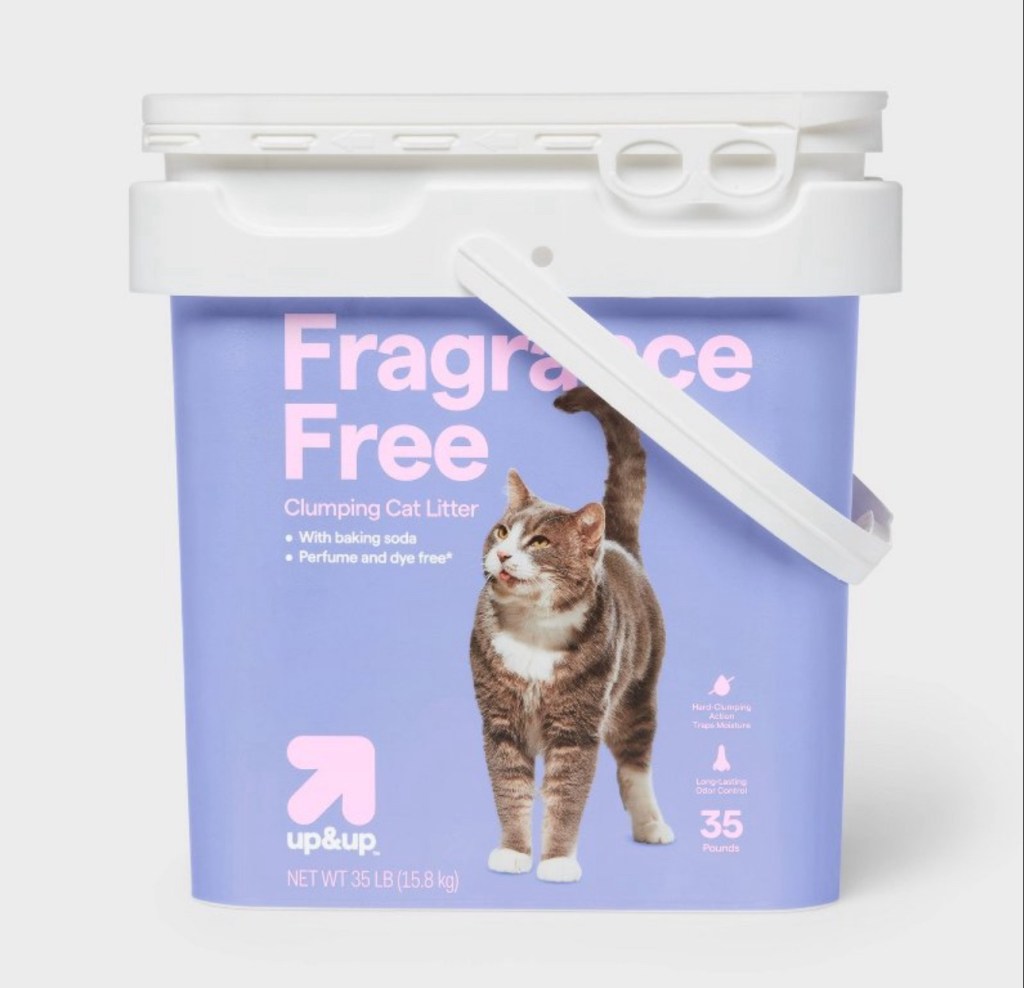
Check the Amazon link for toys and supplies used in our Cattery.
Resources
Socialization
New Kitten in a New Home
Introducing a cat into a new home takes time for them to adjust to their new space. The kindest thing you can do when first taking your cat home is provide a safe space, and during an adjustment period, let your cat get to know their new space gradually.
Cats are territorial and their first priority is to establish and know their territory, so they can feel safe and comfortable enough to eat, drink, rest and eliminate.
Your new kitten should go straight from the Cattery/travel nanny to your home. Additional stops and meeting new people can be very stressful and confusing. Your new kitten has only been away from the Cattery one time to visit the Vet. Overstimulation can make a kitten fearful and anxious. Have a plan for their comfort and optimal adjustment.
Creating a Safe Space
A small, quiet space with a door, such as a bathroom or small bedroom, is an ideal safe space. Here are some tips for choosing and setting it up:
- Avoid a space with built-in hiding places (under a bed or behind a tub), or block off any possible hiding spaces before letting your cat into the space. You don’t want to pull your cat out to be able to interact with them.
- Provide an appropriate hiding space like an open carrier or box with lined with a towel or a cat bed that’s covered.
- Set up food, water and bedding at one end of the room, and the litter box as far away as possible.
- Provide toys your cat can easily play with while they are alone.
Visiting Your New Cat
Visit your cat while they are confined. Start slowly by not forcing interactions or petting them too much until they have had some time to settle in and adjust (12-14 hours). If you sit in the room and your cat approaches, offer your hand to sniff and try some gentle face pets. Your cat might even rub their face on you. You can also bring in treats to see if your cat is interested. Don’t go too fast or do too much, and give your cat frequent breaks. Build up to more handling over time. It’s hard when you’re excited about a new pet, but be patient.
Do Kittens Need Confinement?
Kittens do benefit from being confined to a small space or large crate when you bring them home — and when you’re away from the home. As they explore their space and their curiosity grows, kittens will often find places to play, sleep and even go to the bathroom where you may not realize they fit. Confining them helps you know where they are, prevents accidents and even reinforces good litter box habits.
If Your Cat Is Fearful
For shy or fearful cats, confinement is crucial. It is perfectly normal for cats to be overwhelmed when they first move into a new place. For a cat who is fearful by nature, being in a new place can be even more terrifying. If given too much space, they may become panicky and injure themselves as they look for somewhere to hide or wedge themselves into an unsafe space. They may even stay there for a long period of time without eating and might end up urinating or defecating where they are hiding.
The smaller and safer the space you can provide, the more they will feel secure and help them to be more sociable with you. Give them as much time as needed in their confined space. For some fearful cats, it could be a week, several weeks or potentially longer. Go at your cat’s pace.
If You Have Multiple Cats or Dogs
When bringing a new cat into a home with resident cats or dogs, you should confine your new kitty to one room for at least a few days. Keeping them separate allows them to get used to each other by scent and accept the other’s presence in a non-threatening environment. Please refer our articles on Introducing Cat or Introducing Dogs to Cats for more instructions.
When Moving to a New Home
If you are moving, you should confine your cat not only after the move but before as well. This will reduce exposure to all the chaos of moving familiar things and prevent escapes that could result from your kitty being startled. To avoid any opportunity for escape when transporting your cat to a new home, use a secure carrier while still in the safe space at the old house, so your cat is used to it. Please refer to our article on Moving With Your Cat for more information.
Leaving the Safe Space
Every cat is different, and for some they need only be confined for a short period of time but for others it could be several weeks. Be careful not to rush the process. You will want to see that your new kitty is:
- Eating, resting, grooming and eliminating in the litter box.
- Responsive and engages with you for petting and playtime.
- Comfortable with you being in the safe space and not afraid when you stand, walk around or do normal activities.
- Showing interest in leaving the room, not just the door being open. (A scared cat may still meow and scratch at a door to get out but, once opened, may run back to their bed and cower if not ready to leave the room.)
Be careful not to equate one of the above with your cat being ready. You’ll want to see all of these signs, not just some of them.
When your cat is ready, try expanding their territory slowly by closing other doors where possible and gradually letting them explore more space. If at any time your cat seems overwhelmed, afraid or panicky, return them to the safe room and try again in a few hours.
Remember, confining your cat at first is good for them. It will help them get to know their new territory safely and calmly, and they won’t feel overwhelmed by being introduced to too much too soon. This will help your new family member acclimate much quicker to their new home with you.
Things to Remember
Make it Positive
When introducing your kitten to all of these new experiences, reward with treats and praise so they create a positive association with the new activity. Observe your kitten’s behavior to see if they are enjoying the experience; are they eating treats? Do they seem relaxed and comfortable? If not, take a break from the activity.
Take It Slow
Handling should continue (with treats!) as long as the kitten stays relaxed. If they start to struggle or avoid it, decrease the type of handling and work your way back up. These exercises should continue in the home when adopted at 8 weeks as long as the kitten stays relaxed.
Trainer tip: Working with someone else, offer your kitten a spoonful of wet food to start licking. As soon as they begin eating, begin handling. The moment they pause or move away, stop handling. The kitten is telling you they need a break. When they resume eating, resume handling. This pairs the sensation of the handling with the high-value reward of food! If working on your own, smear some wet food on a small dish or a licky mat (any easy-to-clean food-safe textured surface) instead. Make sure the food is at an angle where you can still easily and comfortably do the handling!
Meeting People
Kittens should be allowed to approach strangers on their own and get treats for coming up to visit. Encourage slower rather than sudden movements, “soft” as opposed to direct eye contact, and calm or lightly playful voices as the kitten is choosing to approach or interact. Another great way to build a positive rapport with strangers is playing with wand toys!
Trainer tip: Meeting people can be hard if your kitten vanishes before they even see them! Use YouTube or recordings on your phone to gradually expose your kitten to sounds like doorbells, knocking, groups of people interacting (in a manner similar to what they’d experience in your home). Start at a very low volume and treat your kitten every time they appear to perceive the sounds and remain calm. Only raise the volume if they’re staying relaxed — the moment they appear nervous or stressed decrease the volume, so they calm again; continue with rewards several times and then end the session. Soon the sounds of people arriving and sharing the space will be a very positively conditioned response!
Best Toys
Some cats prefer “air games” and some prefer “land games” and some like both! To determine this, use a wand toy (a handle with string attaching to a toy) to make the toy fly and see if the kitten chases it. Then try making it crawl on the ground and hide behind things, slowly “sneaking” out from hiding as if it were a mouse or lizard. Move slowly and quickly, up and down to see what your cat prefers to chase. Try different types of toys — some wand toys have feathers, others have fuzzy cloth at the end and still others have raffia or other grass. There’s a wide variety out there, so try a few different things. Some cats love playing fetch, others watch the toy go away and then turn to look at you as if to say, “Silly human, why did you let it get away?” Keep trying until you figure out what your cats like. While playing and introducing toys, be mindful not to put it too close to their faces, especially if they are shy, as we don’t want the toy to scare them. When you are done playing, make sure to give your cat a treat or a meal to mimic what happens in the “wild”: hunt, kill, eat, groom, sleep! This should also help you get some peace and quiet from them at night.
Trainer tip: Rotating through different types of toys and play in a way that suits your cat’s energy levels can be a good way to avoid or minimize overstimulation (such as play biting and play aggression). Whether your cat’s play mode goes from high energy to low, or low to high, utilize the more “up close/near you” toys when they’re playing at lower energy and games like fetch or wand toys when they’re playing at higher energy levels. Remember, it’s important NOT to use our hands as toys — we don’t want to teach our kittens that biting is acceptable at any age!
Source: Kitten Socialization
Milestones
Kittens start going to their new homes at three months and will continue to grow and develop in some noticeable ways.
• Losing baby teeth-you may or may not see them but this is natural!
• Kittens are fully litter box trained and should not be having accidents. If this happens even once or twice please contact me so we can trouble shoot what the issue may be. Kittens/cats must have easy access to litterbox and water 24/7.
• Eye color will have begun changing to Hazel and will eventually fall somewhere in the Gold-Amber-Copper range. Sometimes this doesn’t complete until 10-12 months old. Sometimes they change by the time they go home.
• Their baby “dragon” hairs will begin to shed leaving a thick velvety coat.
• If your kitten is on the lean & lanky side it’s because they’re in a growth spurt! All Brits will be rounding out by one years old. They will become chunky, with big cheeks, a double chin and stocky build (Boys more so than girls). Brits mature at adult weight later at 2-3 years old. Females will be 8-14 pounds and males 10-18 pounds. Make sure your Vet is educated about this breed and what is normal weight for them.
• They will seek out your attention and affection. Most will purr and some will be vocal and meow to let you know they want attention and playtime and/or treats! Brits love to be petted but most will NOT enjoy being held or carried. They may lay on you in bed or snuggle at your feet. For the most part they’ll want to be in the same room with you when you are home.
•At three months, they will likely seek attention by biting or wrestling your hands. Here is more info and tips on how to deal with this behavior from CHEWY.
• Their Primordial pouch will start developing after 6 months. Most will have this extra belly roll, it’s natures way of protecting their internal organs.
• Their tails will thicken and should lose the tapered shape.
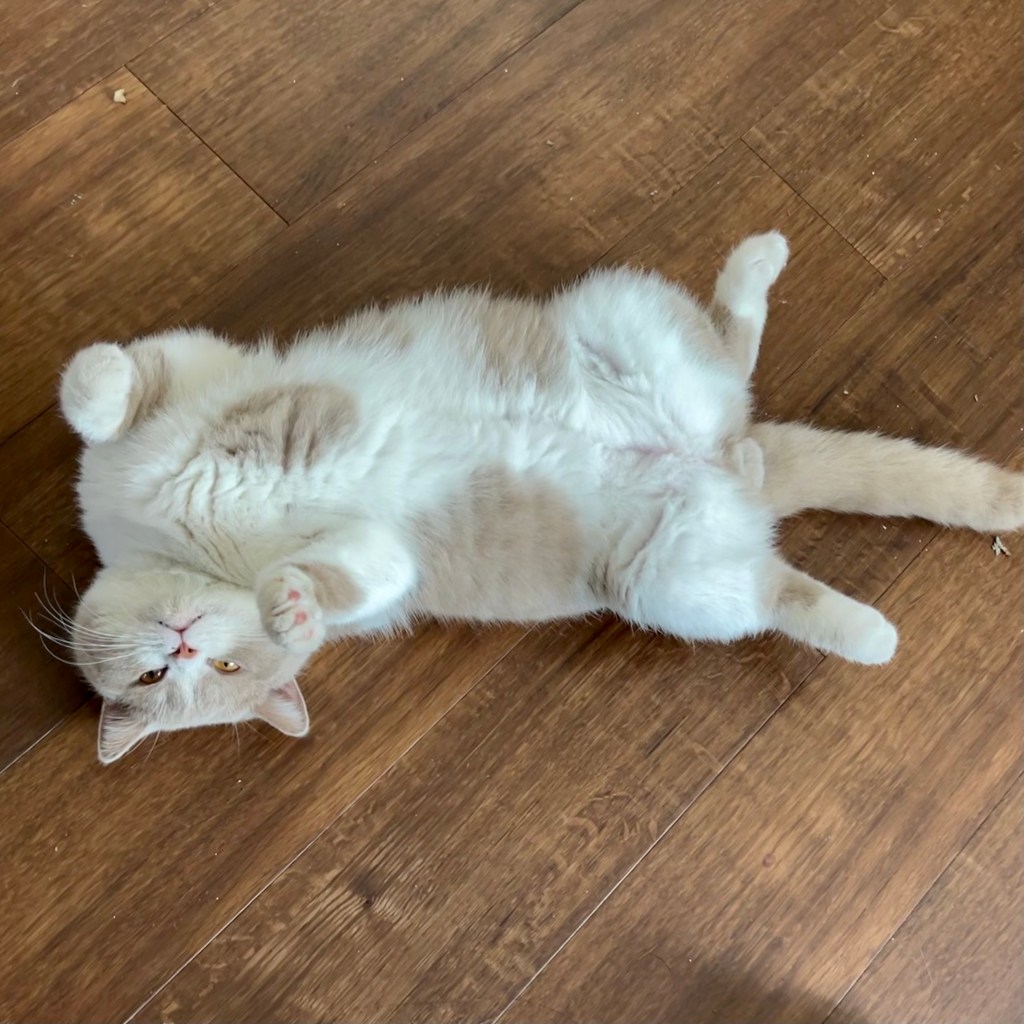
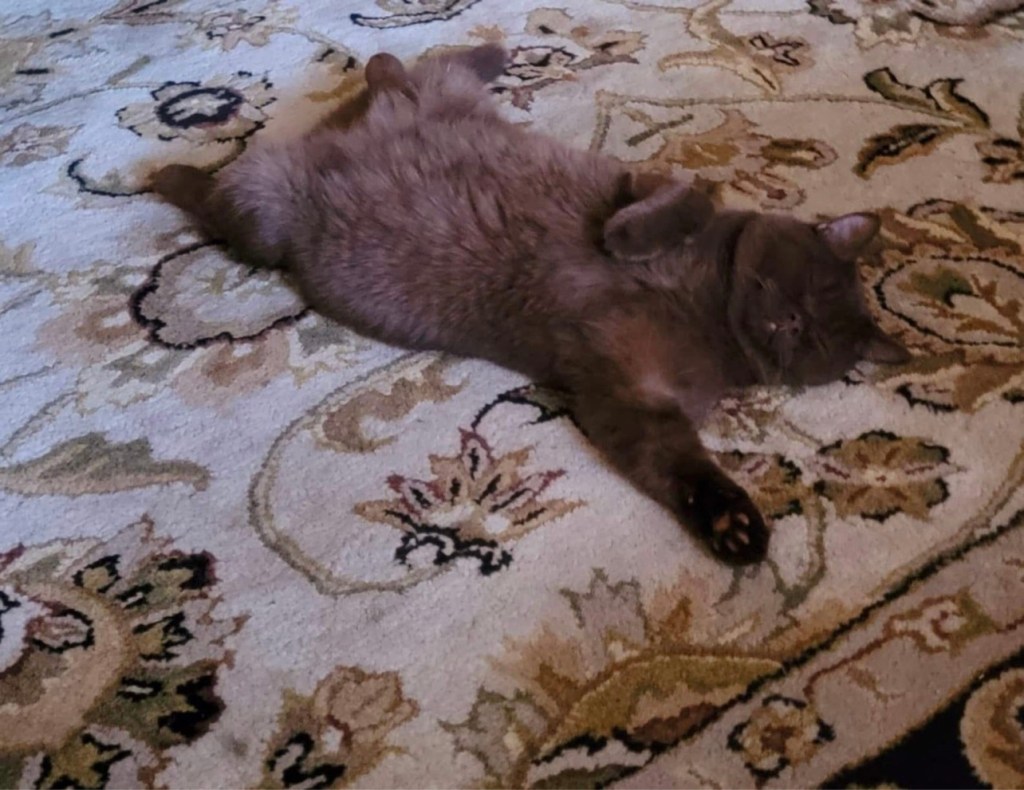
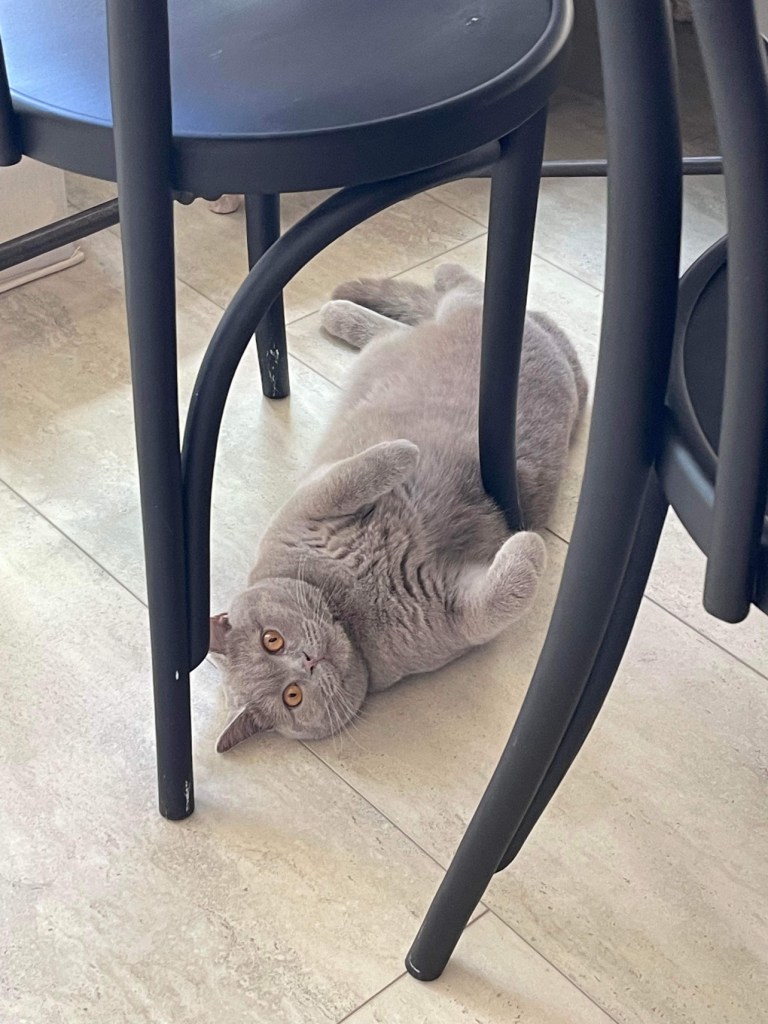
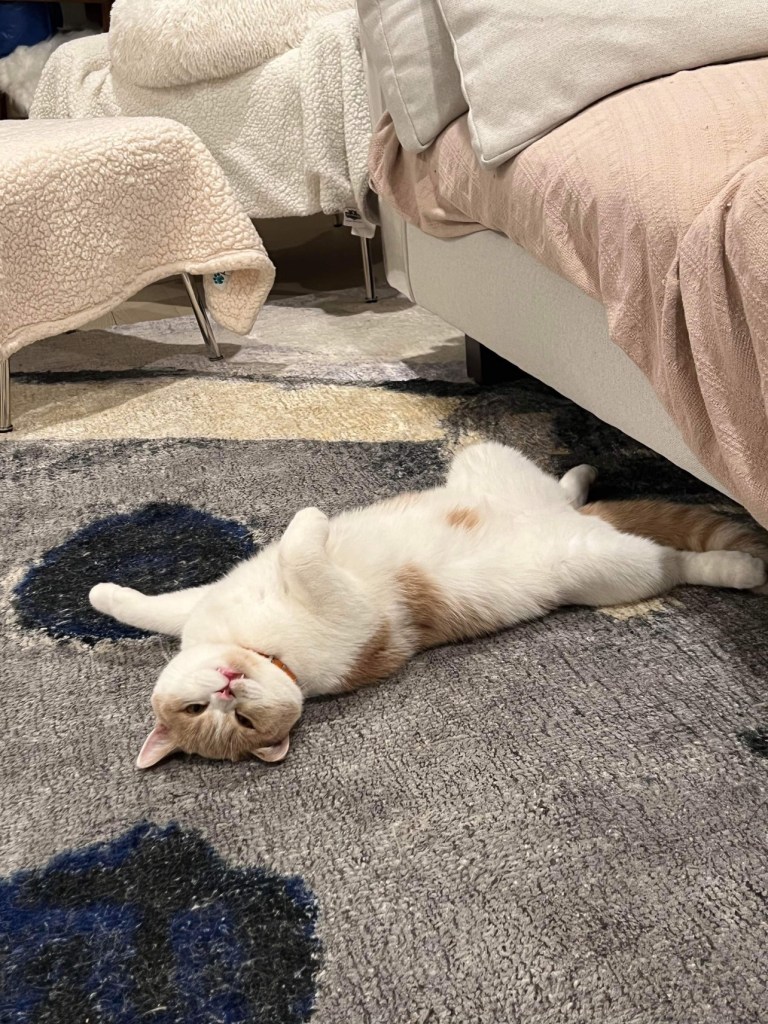
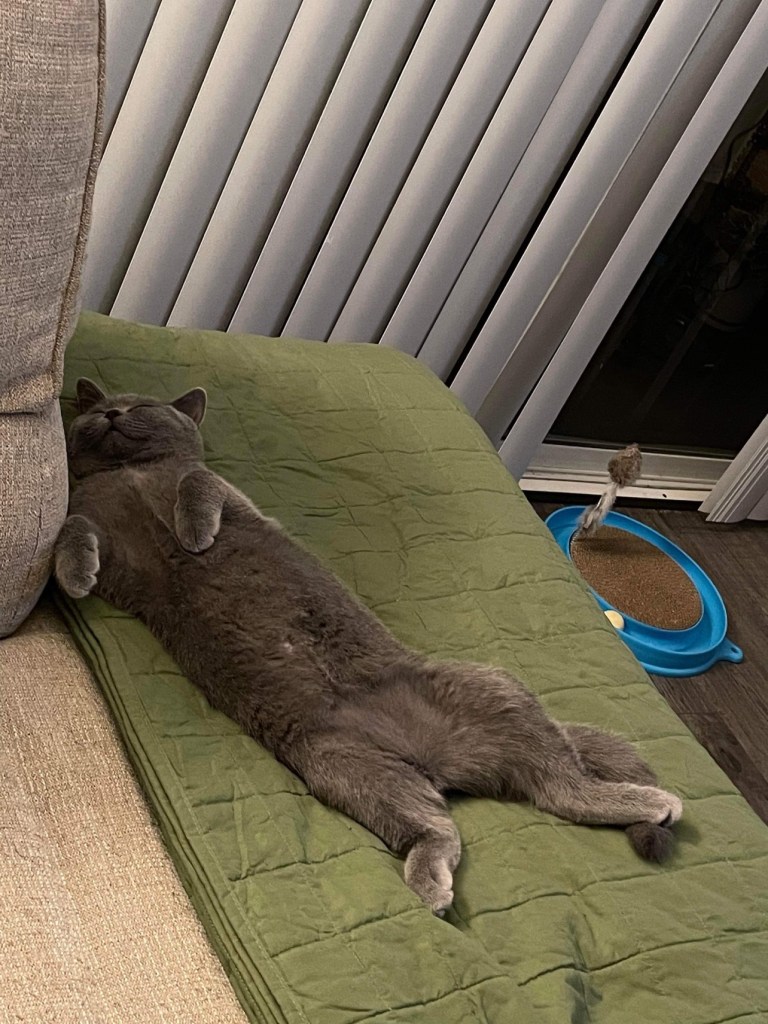
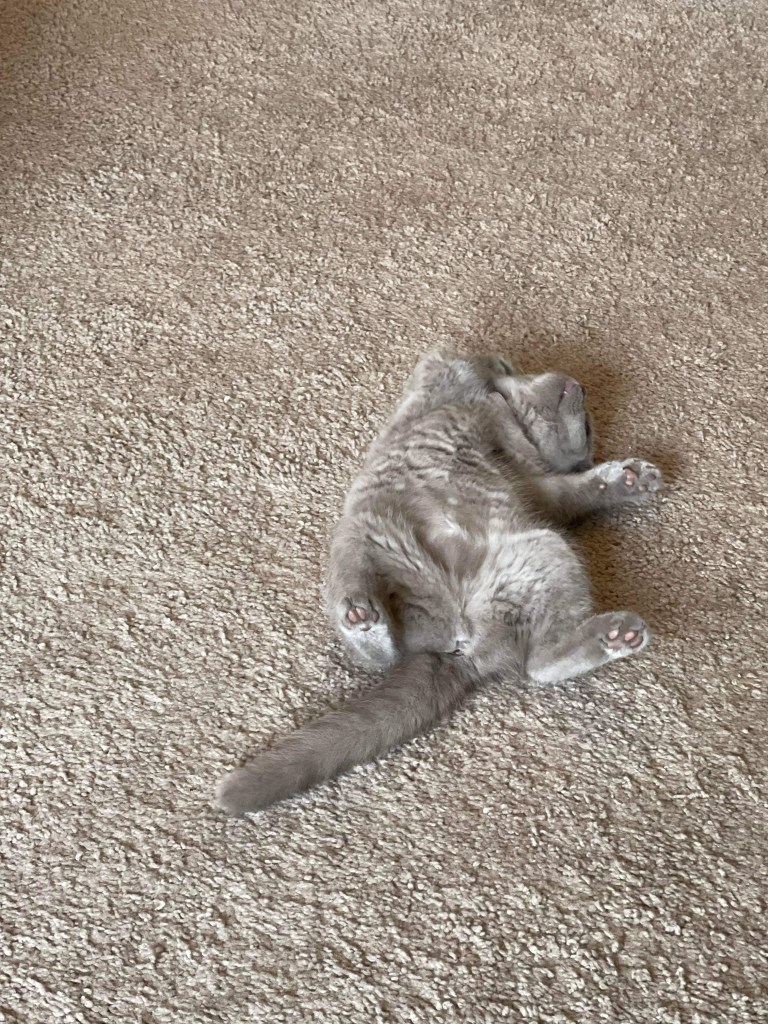
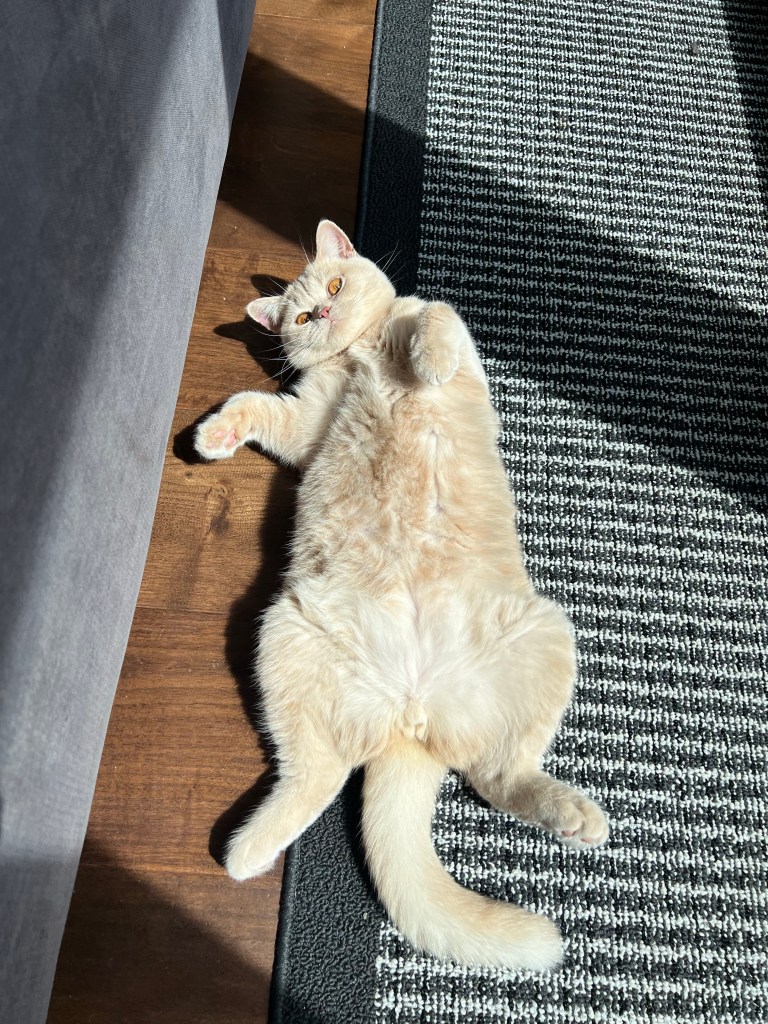
• Brits love to stretch out occasionally even sleeping on their backs! Don’t be alarmed this is normal & adorable!

 TLC Brits Cattery